Fever Hospital in Nallakunta Sees 500 Outpatients Daily as Flu and H1N1 Cases Rise
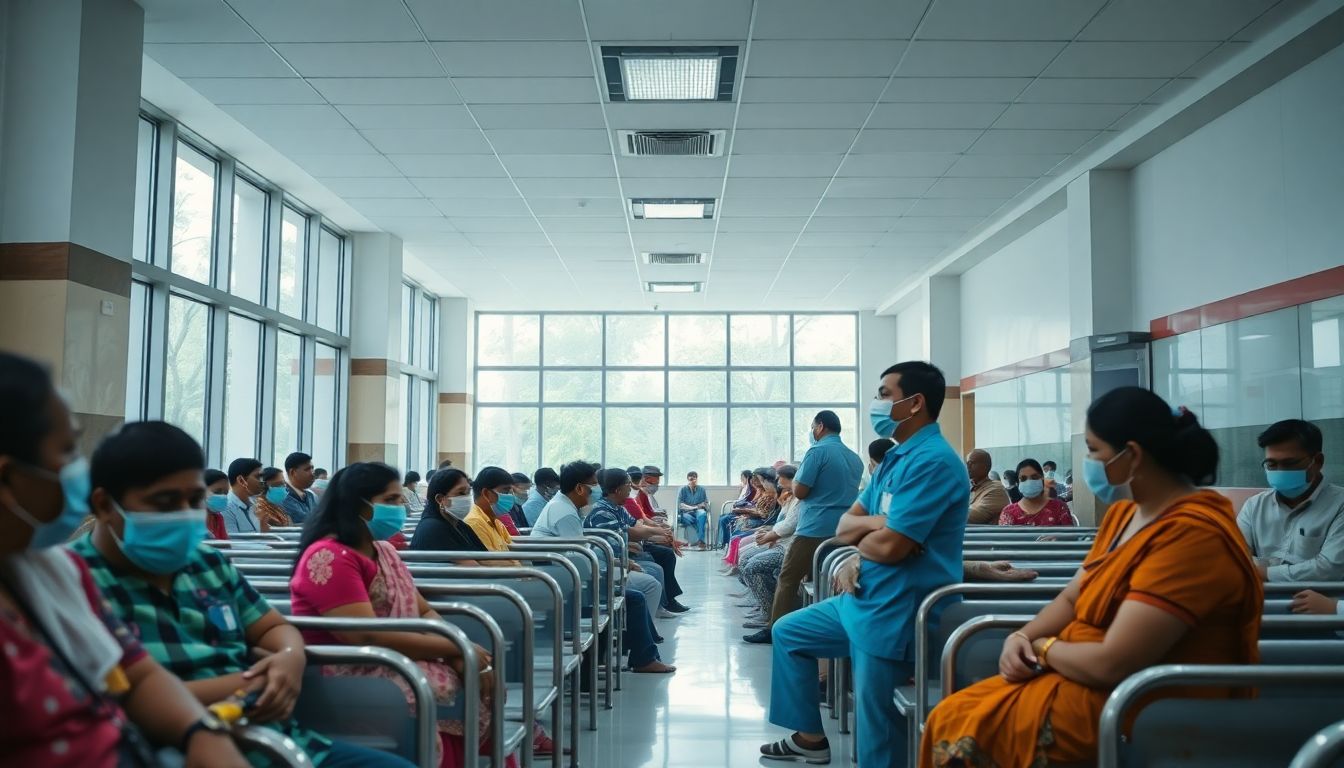
Fever Hospital in Nallakunta is witnessing a surge in patients with flu-like symptoms amid rising H1N1 cases, receiving approximately 500 outpatients a day and admitting 54 inpatients on Sunday. Hospital authorities confirmed that doctors have been administering RT-PCR tests and utilizing influenza diagnostic kits for patients exhibiting symptoms indicative of H1N1, according to in-charge superintendent Dr Musakhan.
Medical experts stated that the spike in viral infections is linked to current monsoon conditions, elevated humidity levels, and fluctuating weather patterns, which facilitate the spread of respiratory pathogens across the city.
Dr Jalagam Thirupathi Rao, Professor of General Medicine at Gandhi Hospital, noted that person-to-person transmission occurs readily in crowded settings, including schools, workplaces, public transportation, and poorly ventilated indoor environments. He pointed out that school-going children frequently contract the infection outside and subsequently transmit it to family members at home.
Reported symptoms among patients include fever, cough, sore throat, nasal congestion or runny nose, body aches, weakness, and fatigue. Doctors clarified that these signs overlap with multiple viral illnesses, meaning that not every case of fever is attributable to H1N1.
Addressing paediatric concerns, paediatrician Dr Sivaranjani Santosh urged parents to stay calm and focus on proper hydration and supportive temperature management instead of aggressively attempting to eliminate fever. She advised seeking medical care if a child's fever continues for more than five days, noting that infants showing rapid breathing require urgent medical evaluation. Children showing flu symptoms should be kept home from school to prevent spreading the illness.
Dr Chaitanya Challa, senior consultant in general medicine, explained that most healthy individuals infected with H1N1 recover through adequate rest, hydration, and symptomatic care. Dr Challa emphasized that not every patient with a fever or respiratory issues requires an H1N1 test, as diagnostic testing depends on the severity of symptoms, underlying risk factors, and clinical assessment. Where needed, H1N1 is verified through respiratory samples evaluated via RT-PCR or molecular testing.
Healthcare professionals advised residents to practice regular hand hygiene, cover coughs and sneezes, wear masks if symptomatic, and avoid close contact with others while unwell. Doctors also strongly warned the public against self-medication, particularly taking unprescribed antibiotics. Individuals experiencing severe warning signs—such as persistent high fever, breathing difficulties, chest discomfort, worsening cough, or severe fatigue—along with senior citizens, young children, pregnant women, and people with chronic health conditions, were urged to seek prompt medical attention.