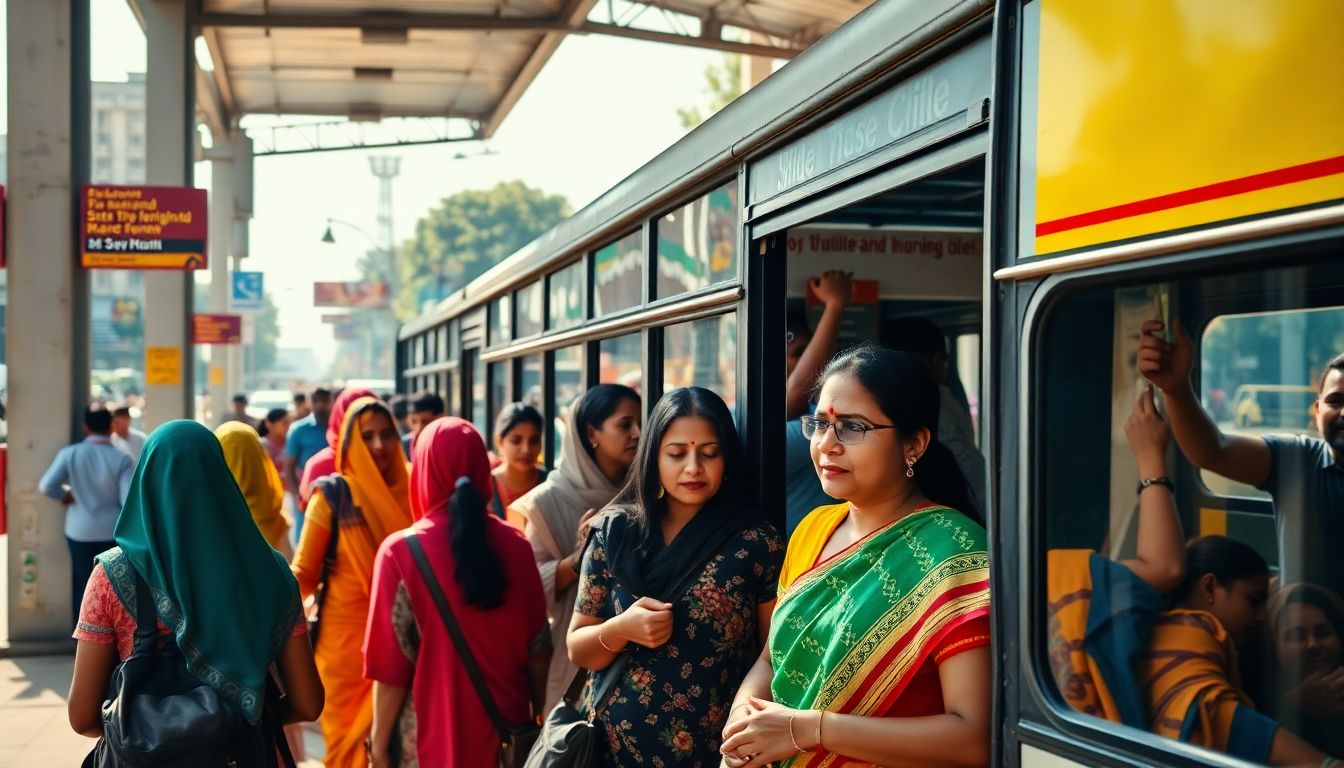
Experts Urge Telangana to Pause Flyover Projects and Prioritise Public Transit
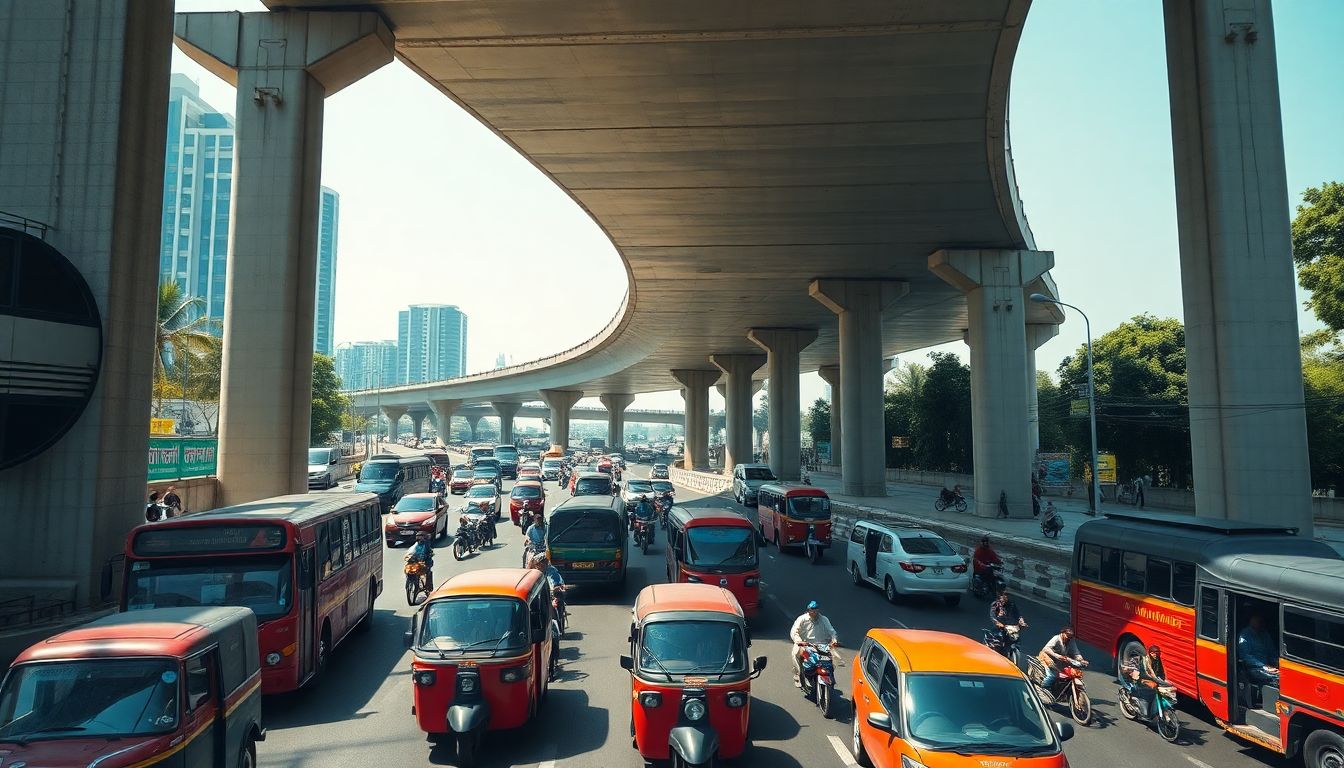
Urban transport experts and citizens have called on the Telangana government to pause major flyover and road-widening projects, recommending instead that the city redesign its existing road space to prioritise public transport, pedestrians, and cyclists.
The proposal was among several recommendations made at a citizens' round table titled 'Choked: How Do We Move People, Not Cars', held at Goethe Zentrum in Hyderabad on Saturday, August 22. The recommendations will be submitted to the Telangana government to address the city's mobility crisis through policy changes rather than relying solely on major infrastructure projects.
Urban transport specialist Prashanth Bachu argued that flyovers merely shift congestion between junctions rather than eliminating it. He noted that every flyover automatically generates demand for four more, warning that Hyderabad would need hundreds of flyovers if it continues relying on them. Citing examples from Singapore and New York where road space was redesigned to create public areas and improve mobility, Mr. Bachu pointed out that Hyderabad's own 2013 Comprehensive Transportation Study had included examples of demolishing flyovers to create public spaces.
Aditya of Move Hyderabad stated that urban mobility must be treated as a governance issue covering all road users. According to data presented at the meeting, Hyderabad has approximately 65 lakh two-wheelers and 16 lakh cars, with private vehicles making up roughly 90% of all vehicles on the city's roads. The city's 900-kilometre main road network serves around 2.81 lakh vehicles, with vehicle density having grown by 40% since 2019.
Speakers highlighted a substantial change in commuting trends across Hyderabad. In 2011, buses accounted for 42% of trips, while cars made up 4%. By 2024, the share of bus trips fell to 25%, while cars increased to 16% and two-wheelers crossed 45%. Metro accounted for only 3% of trips, alongside a sharp drop in MMTS ridership.
The group stated that rising private vehicle numbers cannot be solved by simply building more roads and called for policies that make private vehicle use less convenient while improving public transit. The panel recommended restoring MMTS services to 2019 levels, improving access to stations, and integrating MMTS networks with buses and the Metro.