El Nino Threatens Telangana Farms With Drought Making Kaleshwaram Project Critical
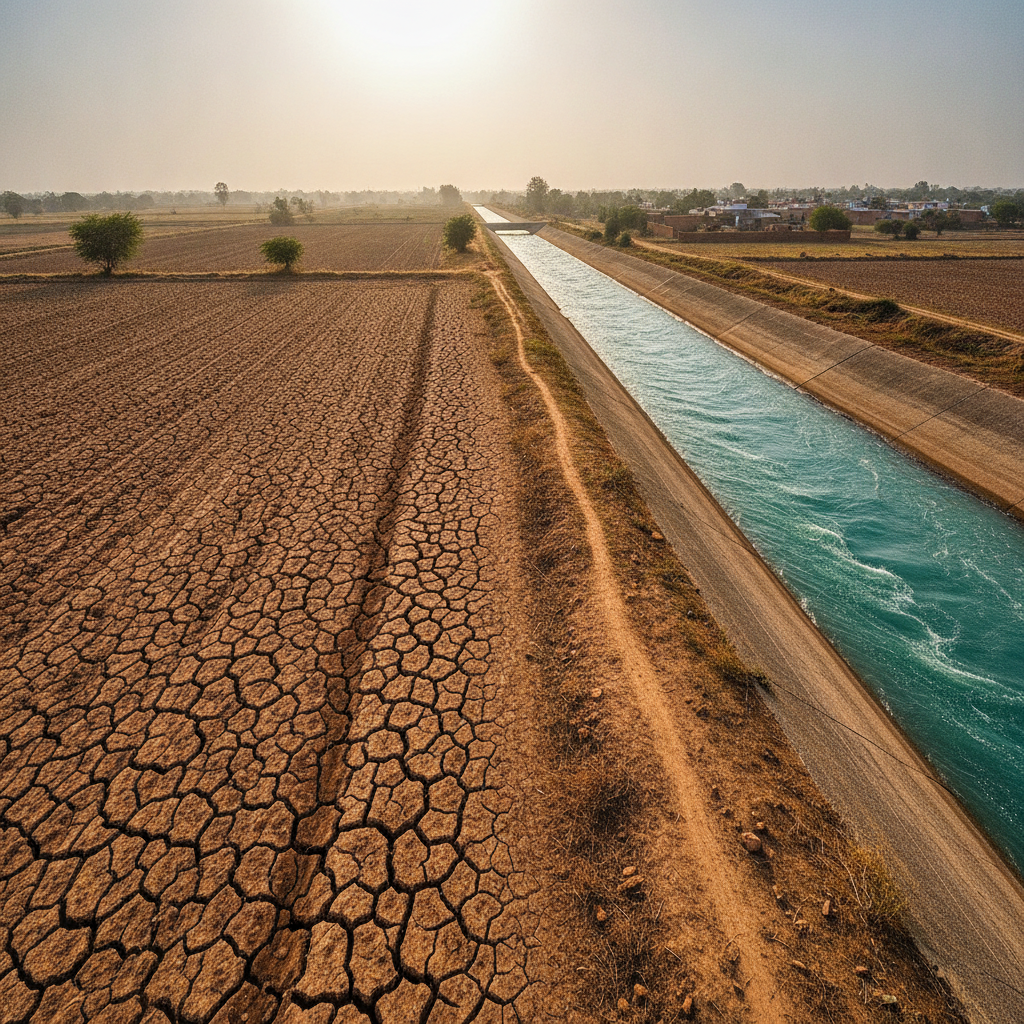
On June 13, 2026, scientific reports warned that an intensifying El Niño weather phenomenon is threatening agriculture across Telangana with severe drought and rainfall deficits. The Southwest Monsoon entered the state late through the southern districts, formerly known as Mahabubnagar, with an extremely weak onset. This developing crisis has made the Kaleshwaram Lift Irrigation Project critical to ensuring the state's water security.
According to Dr. Ramesh Chennamaneni, a 10-year Indo-German research project has shown that global warming is changing the monsoon, making it increasingly erratic and unpredictable. The primary factor behind the current weak monsoon dynamics is the rapid warming of the equatorial Pacific. With the Indian Ocean Dipole remaining in a neutral phase, there is no offsetting warming in the western Indian Ocean to strengthen the monsoon with additional moisture, causing severe delays.
The Indo-German study and the India Meteorological Department have warned that this could be one of the most challenging monsoon seasons in recent years. Meteorologists anticipate a two-part season where rainfall may remain largely normal during June and July, but precipitation dynamics are expected to weaken significantly in August and September as El Niño strengthens.
The research also focused on two major climate variables affecting the region. The first is very strong monsoon rain events, defined as rainfall exceeding 80 mm per day, which cause flooding and uneven rainfall distribution. Currently occurring once every two years, the frequency of these extreme rain events is projected to increase by 60 percent by 2050.
The second variable is extremely hot days, which cause direct adverse health effects, accidents, and reduced labour productivity. Under a high-emission scenario, the study projects about 20 such days annually by 2050 and 40 by 2100. Even under a low-emission scenario, Telangana is projected to experience eight such days by 2050 and 13 by 2100, presenting significant challenges to local communities.