Dr E Sivanagi Reddy Documents Forgotten Historical Relics Across 1800 Villages
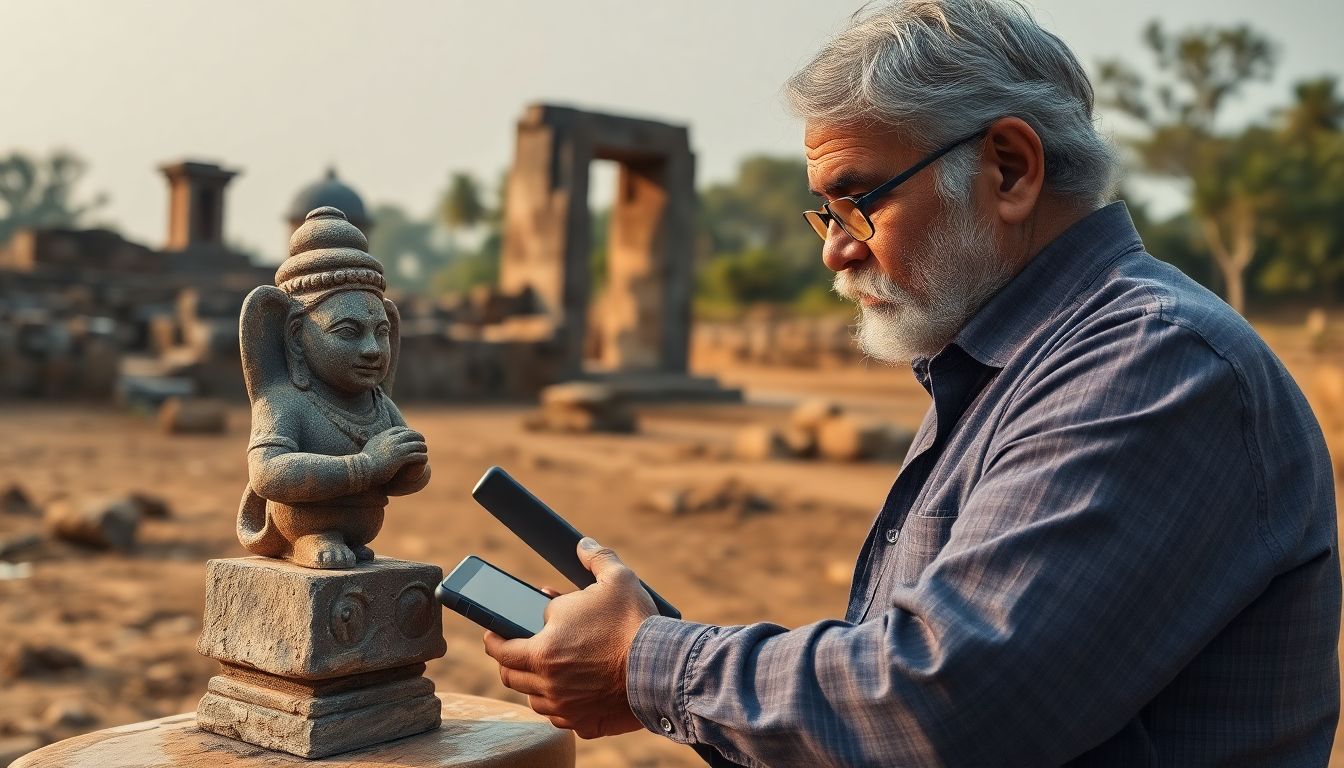
The PLEACH India Foundation, led by archaeologist Dr. E Sivanagi Reddy, has successfully documented forgotten historical heritage across more than 1,800 villages in Telangana and Andhra Pradesh, including Hyderabad. Through its Preserve Heritage for Posterity (PHP) programme, the initiative has recorded thousands of neglected monuments, sculptures, inscriptions, and archaeological remains to save them from decay and destruction.
The ongoing documentation program has led to several significant archaeological discoveries, some dating back nearly 1,500 years. Instead of relying solely on planned excavations, the researchers have found valuable artifacts during routine field visits, conversations with local residents, and chance encounters in rural areas.
Among the major discoveries is a 1,500-year-old early medieval Buddhist pillar found in Pinakadimi in Eluru. Dr. Reddy noticed the carved stone pillar being used as part of a roadside structure during a tea break. He persuaded the landowner and local villagers to preserve the artifact, which now stands on a raised platform as part of the village's heritage.
In another instance in Vaikuntapuram village in Guntur district, researchers identified a ninth-century Buddha bhumisparsha mudra sculpture. The ancient piece had been used as a bench outside a local shop for years. With the support of the villagers, the team relocated the sculpture to a dedicated pedestal for preservation.
The PHP programme focuses on educating local communities rather than criticizing them for using historical artifacts as building materials or doorsteps. Dr. Reddy explained that most people simply do not know the historical value of what they have. By explaining the significance of the artifacts, the foundation has encouraged many villages to voluntarily build platforms for sculptures and protect them.
Other discoveries made through the program include a medieval Durga panel found in a farmer's field and a 1518 CE inscription of Sri Krishnadevaraya. The inscription had been embedded in the steps of a village temple, where devotees had walked over it for decades before it was documented.
While some monuments have been lost to road widening and construction, Dr. Reddy emphasized that documentation itself serves as a form of preservation. Even if a physical monument disappears, its history survives through their records.