Cricket scorer H.R. Gopalakrishna to launch autobiography in Bengaluru on August 7
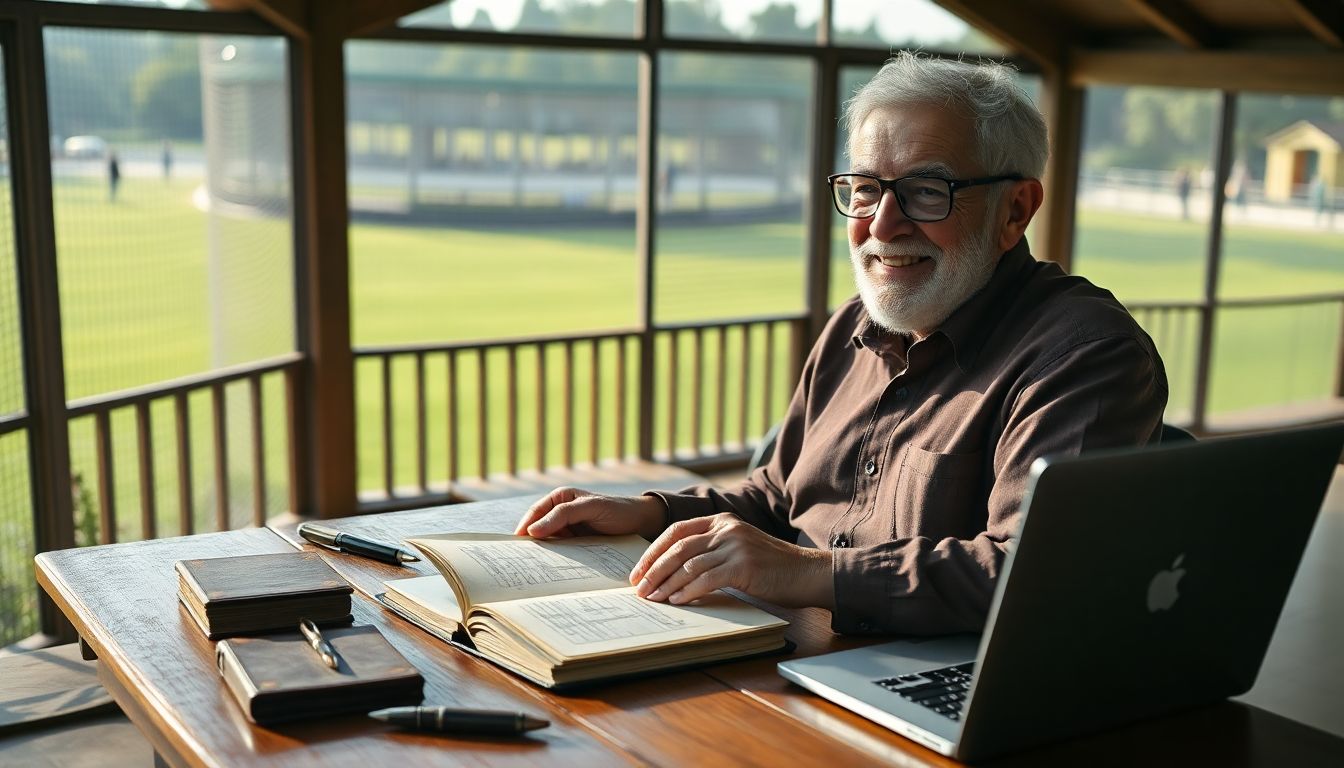
Bengaluru-based veteran cricket scorer and statistician H.R. Gopalakrishna is set to launch his autobiography, "Records Galore," in Bengaluru on August 7. The 80-year-old's book details his five-decade journey in cricket scoring, documenting the transition from manual scorekeeping to the modern digital era.
The book launch event will be attended by several cricketing greats. Gopalakrishna, popularly known as HRG, reflects on his long career, which began out of a pure love for the game at a time when state associations did not offer remuneration for scoring. He was initially inspired by his grandfather, a passionate cricket fan, and his neighbour Niranjan Ram, who used to jot down Test match scorecards while listening to radio commentary.
Gopalakrishna recalled the early days of manual scoring, which he described as extremely demanding. In those times, Akashvani paid Rs. 25 per match, with prorated deductions of Rs. 8.33 per day if play was lost.
He contrasted these historical rates with modern compensation. Today, qualified scorers on the Board of Control for Cricket in India (BCCI) panel receive Rs. 25,000 per day for Test matches and One Day Internationals (ODIs), and Rs. 12,500 for T20 Internationals. Akashvani has also revised its payments to Rs. 5,500 per day for Tests and ODIs, along with travel and accommodation allowances.
In his autobiography, Gopalakrishna shares several unique historical encounters. Among his most prized possessions is a statistical compilation he prepared in September 1979 at the request of Lala Amarnath, which contains a photograph of Don Bradman signed by the legend himself.
He was also the first Indian scorer-statistician to own Bill Frindall's Cricket Book 1877–1978, which he used during the India-West Indies Test in Bombay where Sunil Gavaskar scored 205 and Alvin Kallicharran made 189.
Additionally, Gopalakrishna recalls correcting Frindall during an India-England Test in Chennai. Frindall, who was in the BBC commentary box, had asked for statistics on teams losing despite a batsman scoring centuries in both innings. Gopalakrishna provided a complete list, identifying an instance Frindall had missed, earning him a signed copy of Frindall's autobiography.
The book also touches upon matches that tested his professional composure, such as the famous India-Australia Test in Chennai in March 2001, which India won by two wickets. Gopalakrishna noted that he found it difficult to remain seated in the commentary box due to the intense excitement.