Center Approves 736 KGBVs for Telangana Including 26 in Medak District
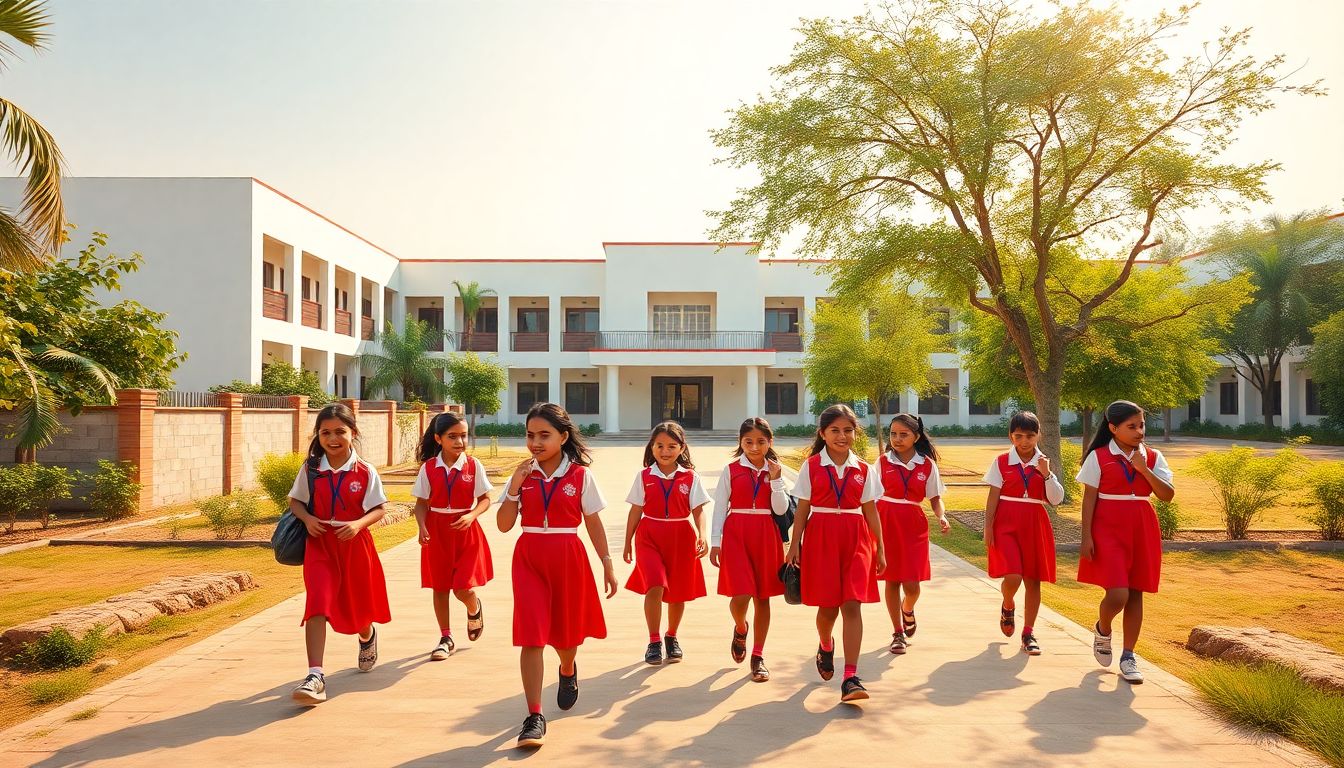
Union Education Minister Pralhad Joshi informed the Lok Sabha on Monday that 736 Kasturba Gandhi Balika Vidyalayas (KGBVs) have been approved for Telangana under the Centrally Sponsored Scheme Samagra Shiksha, including 26 KGBVs in Medak district.
Responding to a question raised by BJP MP M Raghunandan Rao regarding the utilization of funds under Sarva Shiksha Abhiyan and Samagra Shiksha in Telangana, Joshi detailed the process of financial assistance provided to states and Union Territories for various interventions.
The Minister explained that the Annual Work Plan and Budget (AWP&B) is prepared by states and Union Territories based on their specific requirements and priorities. The plan is subsequently appraised and approved by the Project Approval Board (PAB) in consultation with the states, following programmatic and financial norms alongside budgetary resource availability.
Joshi highlighted that education falls under List-III (Concurrent List) of the Seventh Schedule of the Constitution of India. Consequently, the majority of schools remain under the direct administrative control of their respective state and Union Territory governments.
Addressing school nutritional programs, the Minister spoke on the Pradhan Mantri Poshan Shakti Nirman (PM POSHAN) Scheme, which is implemented jointly with state governments. Under PM POSHAN, the overall responsibility of serving one hot cooked meal on all working days to eligible children in Balvatika and Classes I to VIII in government and government-aided schools lies with state administrations.
In Telangana, various measures have been implemented to maintain food quality and nutritional standards under PM POSHAN. These initiatives include the supply of fine rice to eligible students, serving eggs three times a week, and providing Ragi Java three times weekly.
The state government is also conducting periodic food safety, hygiene, and sanitation inspections across schools. Further steps include training and capacity building for cook-cum-helpers, timely release of cooking costs and food grain supplies, and regular monitoring by state, district, and mandal level officers supported by field supervision and the PM POSHAN management information system.