BRS Accuses Congress Government of Neglecting Telangana Farmers Over Krishna Water
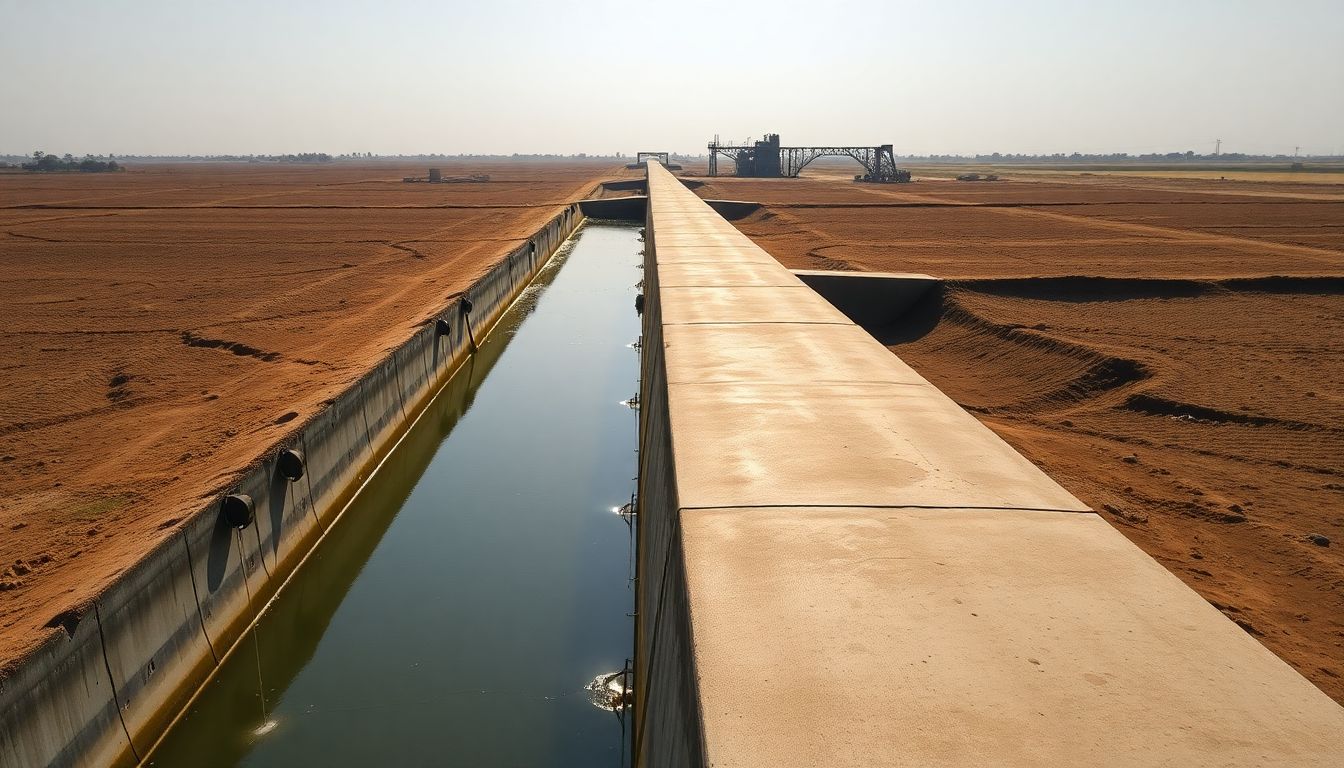
HYDERABAD — The Bharat Rashtra Samithi (BRS) has accused the Congress-led State Government of failing to support Telangana farmers with irrigation water this season, alleging that the administration has cited El Nino conditions as an excuse while neighbouring Andhra Pradesh continues to draw water from common reservoirs.
Speaking at a press conference in Hyderabad on Monday, former Minister S. Niranjan Reddy, alongside former legislators B. Harshavardhan Reddy, G. Jaipal Yadav, and G. Kishore Kumar, demanded that the state government immediately operate the pumps for the Kalwakurthy and Palamuru-Rangareddy lift irrigation schemes, as well as lift systems linked to the Jurala project, to guarantee at least one crop for local farmers this year.
Niranjan Reddy pointed out that the Jurala project can receive up to 5,000 cusecs of regenerated water from the Almatti and Narayanpur projects located in Karnataka, even in the absence of direct water releases from those upstream reservoirs.
The former minister alleged that Andhra Pradesh has been actively diverting substantial volumes of water from the Srisailam reservoir, which currently stands at a water level of 875.8 feet, well above the 854-foot mark at which diversions typically begin.
Recalling the history of the project, Niranjan Reddy noted that Srisailam was originally built for hydroelectric power generation. Over time, under the pretext of supplying drinking water to Chennai and irrigating 2 lakh acres en route, Andhra Pradesh constructed the Pothireddypadu Head Regulator.
He stated that the capacity of the Pothireddypadu regulator was subsequently expanded on multiple occasions to channel large volumes of Krishna water to areas outside the Krishna Basin. Niranjan Reddy argued that these diversions have come at the direct expense of in-basin areas within the Telangana region.
He added that Andhra Pradesh has developed storage reservoirs with a combined capacity of 235 thousand million cubic feet (tmc ft) to store these diverted waters, carrying out the construction without securing required water allocations or clearances.