AIFF and ISL Clubs Adopt New Club Led Commercial Model for 2026 27 Season
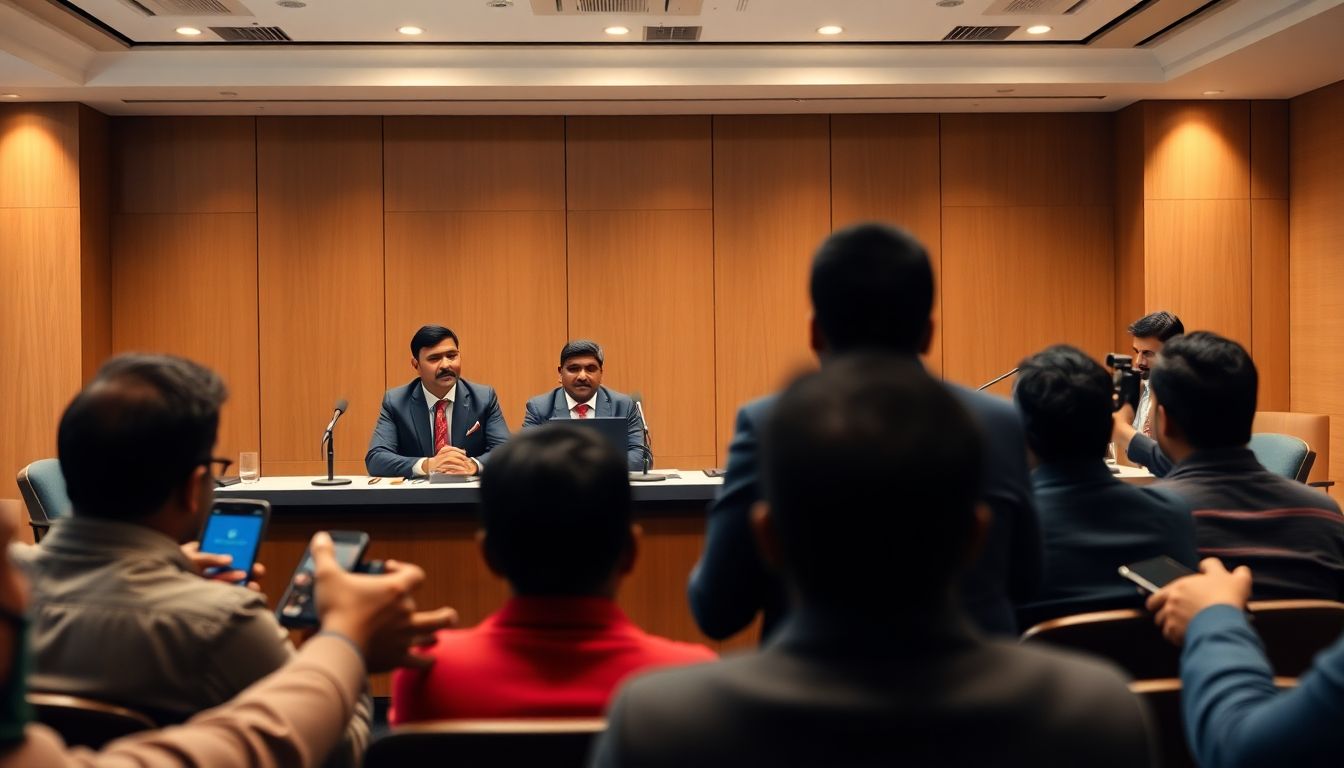
In Hyderabad, details emerged on Wednesday, 8 July 2026, as the All India Football Federation (AIFF) and the Indian Super League Managing Committee announced a transition to a new club-led commercial model in Delhi. Under the new agreement, clubs will hold the commercial rights for the league going forward, while the AIFF retains administrative control and operational oversight of key aspects.
The press conference in Delhi was addressed by AIFF Deputy Secretary General M Satyanarayan, AIFF Head of Competitions Akshay Rohatgi, FC Goa CEO Ravi Puskur, NorthEast United FC CEO Mandar Tamhane, and Sporting Club Delhi CEO Dhruv Sood. The move represents a shift toward a globally accepted, club-led commercial structure.
According to Tamhane, the league is moving toward this broadcast-driven model because both the clubs and the federation believe it is the correct approach for long-term commercial and financial sustainability. As part of the transition, the Managing Committee will issue a Request for Proposal (RFP) to secure a broadcast partner and work on sponsorships. The AIFF will also send letters to all 14 clubs asking them to confirm their participation.
The upcoming 2026-27 season will feature a full home-and-away format rather than a truncated schedule. The league calendar will be planned around the FIFA Men’s International Match Windows in September, October, November, and March, as well as the AFC club competition schedule. This alignment is intended to allow adequate preparation for the national team and participating clubs, such as FC Goa and East Bengal FC, in continental tournaments.
Satyanarayan stated that the federation is fully committed to making the league one of the best in Asia while keeping in mind the recent Supreme Court order and the new National Sports Governance Act. He added that the AIFF has held discussions with clubs to request the release of players for longer periods to benefit the national team.
Sood noted that during Sporting Club Delhi's first season, the Ministry supported the league by ensuring stadium availability, and the AIFF worked to reduce overall league costs.