AI Cannot Replace Judicial Reasoning, Says Telangana CJ Aparesh Kumar Singh
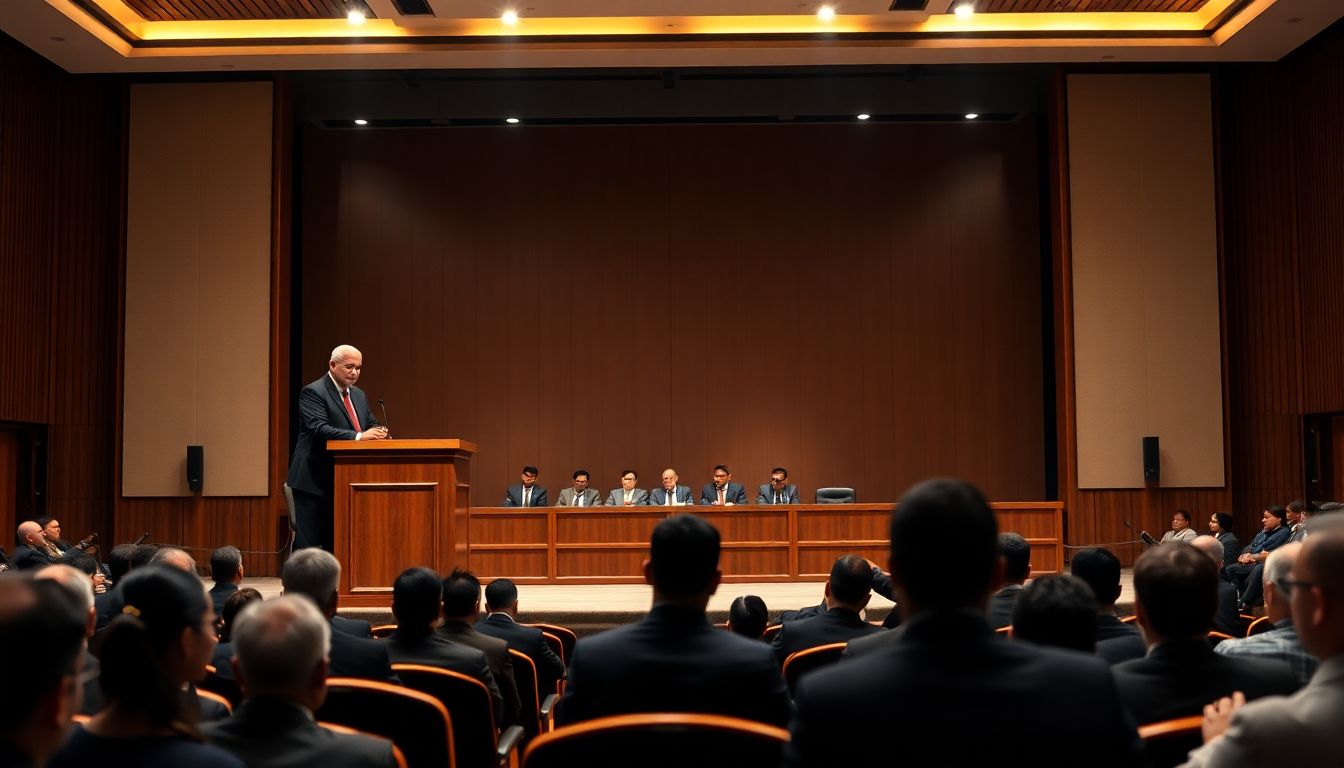
Chief Justice of Telangana Justice Aparesh Kumar Singh has stated that while technology and artificial intelligence can assist adjudicatory processes, they cannot replace judicial reasoning, accountability, and human oversight. He made the remarks while addressing a seminar in Hyderabad on Saturday.
The seminar, titled “Mechanisms for Resolution of Disputes in Airport Tariffs, Telecom, Broadcasting and Cyber Sectors,” was organised by the Telecom Disputes Settlement and Appellate Tribunal (TDSAT). Addressing the gathering, Justice Singh drew attention to the growing challenges emerging within the cyber and artificial intelligence domains.
Justice Singh noted that rapid technological advancements have increased the complexity of cyber-related disputes, fraud, and critical questions surrounding oversight and accountability. While acknowledging the supportive role that modern technology can play in adjudicatory processes, he maintained that core judicial functions still require human reasoning.
Justice Singh also highlighted the responsibility of adjudicatory bodies to maintain a careful balance between regulatory autonomy, specialised expertise, and judicial accountability. He cautioned against allowing adjudication to substitute regulation, while also warning against placing regulatory decisions beyond effective scrutiny.
Emphasising the importance of efficiency, the Chief Justice stated that the timely disposal of disputes is essential. He pointed out that prolonged litigation can undermine regulatory objectives and generate uncertainty for both industry stakeholders and consumers.
He further called for effective, timely, and specialised dispute resolution mechanisms to handle the rapidly evolving sectors of telecom, broadcasting, airport tariffs, and cyber technologies, noting the vital role of specialised adjudicatory institutions in resolving technically complex regulatory disputes.