Activists Demand Telangana Halt Proposed Unified Welfare Card Over Privacy Concerns
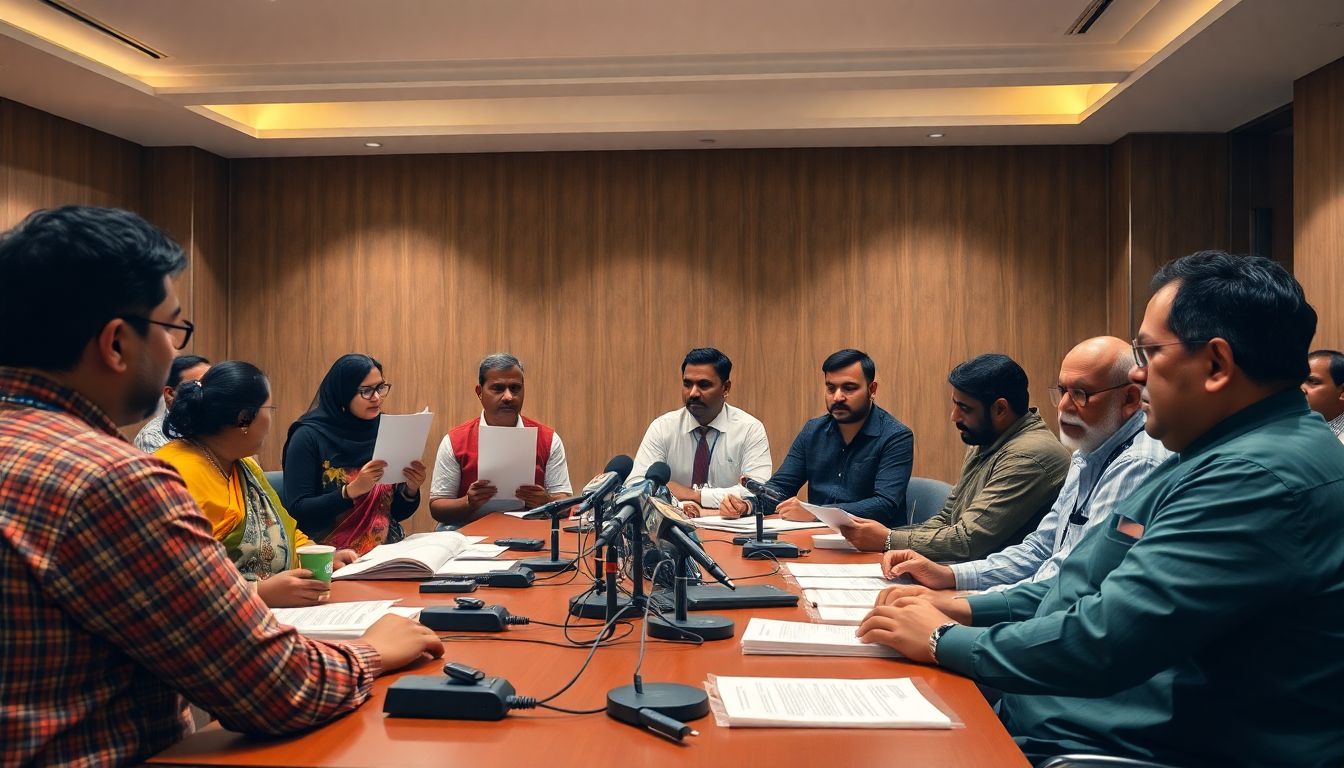
The Internet Freedom Foundation (IFF) and city-based NGO ASEEM have submitted a representation to the Telangana state government demanding that the proposed unified welfare card scheme be kept in abeyance. The groups raised concerns over the absence of a legal framework for the project, arguing it poses significant risks to the fundamental right to privacy of residents across Telangana.
The demand follows directions issued by the Telangana Chief Minister in May, where officials were asked to explore the feasibility of developing a unified card. The card was intended to streamline and extend benefits across various welfare schemes implemented in the state. According to the Chief Minister, the initiative aimed to build welfare profiles of beneficiaries and leverage artificial intelligence to analyze data for greater transparency.
However, IFF and ASEEM argued that the proposed card fails the constitutional test established by the Supreme Court of India in the landmark K.S. Puttaswamy vs. Union of India case, which recognized the right to privacy as a Fundamental Right. Under this ruling, any state-imposed restriction on privacy must satisfy three strict conditions: a clear legal basis, a legitimate state aim, and proportionality to that aim.
According to the representation, any initiative to create a unique identity number, collect personal data on every resident, and link it to a single profile requires dedicated legislative backing. The groups stated that an executive direction or departmental order does not qualify as "law" under Article 21 of the Constitution. They noted that without a formal statute defining the purpose, limiting data collection, governing data retention, sharing, security, and providing independent oversight, the scheme lacks legal authority.
The activists also highlighted the absence of a "human review" provision in the Chief Minister's directives. They pointed out that automated matching systems routinely fail due to spelling variations, data entry errors, and outdated records, which could lead to eligible beneficiaries being denied essential welfare benefits.
To address these concerns, the representation demanded that any data integration proposal be referred to the state legislature. It also called for the adoption of data minimization principles, auditing, and public disclosure of the functioning of the Integrated People Information Hub, which was created using Samagra Kutumba Survey data. The groups urged the government to discontinue the hub until a lawful framework is established, alongside implementing field verification and a robust grievance redressal mechanism.